Battery Life Myths: How to Interpret Electric Lawn Mower Coverage Claims

Why Manufacturer Coverage Numbers Often Don’t Match Reality
For most U.S. households with a yard, an electric lawn mower is the cornerstone of summer lawn care. One of the most important specifications when choosing a mower is the claimed coverage area per charge. However, many users find that the actual battery life rarely meets these manufacturer claims. For instance, a mower advertised to cover 1/4 acre (about 1,011 square meters) on a single charge may only manage 0.18 acres (approximately 728 square meters) in real-life conditions, especially on thick or sloped lawns.
Consumer Reports’ 2024 tests of 25 popular electric lawn mowers revealed that 19 models had actual coverage below the claimed area, with an average shortfall of 18%. Low-cost models sometimes fell short by over 30%. These numbers are not intentional misrepresentations—the manufacturer tests are conducted under ideal conditions. To gauge true battery performance, it’s crucial to understand the assumptions behind these claims and adjust expectations based on your yard conditions.
Manufacturer “Ideal Conditions”: How Coverage Claims Are Optimized
Manufacturers test mowers under specific conditions designed to maximize coverage per charge, which often differ significantly from real-world use. The following factors contribute to inflated coverage numbers:
Lawn Conditions: “Short, Thin, Flat” Test Scenarios
Short, uniform grass: Test lawns are usually 2–3 inches tall (5–7 cm), whereas home lawns often range from 4–6 inches (10–15 cm) if uncut for a while. Taller, denser grass requires more power, reducing battery life. Consumer Reports found that increasing grass height from 7 to 15 cm cut actual coverage by 22–28%.
Clear, dry soil: Labs remove debris like rocks and branches, ensuring uninterrupted mowing. Wet soil increases wheel friction and energy draw, while debris causes frequent stops that drain the battery faster.
Flat terrain: Many U.S. yards have slopes, especially suburban properties. Climbing even a mild slope reduces coverage by 8–10% per 5 degrees, with slopes over 10 degrees causing over 15% reduction.
Machine Settings: “Low Load” Testing Parameters
Lowest cutting height: Manufacturers often set blades to minimum height, cutting less grass and consuming less energy. Home users usually mow taller grass (5–8 cm), increasing battery drain.
Eco/power mode: Many mowers (EGO, Ryobi) have eco and high-power modes. Lab tests use eco mode, which conserves energy. Switching to high-power mode for thick grass can reduce battery life by 15–20%.
Disabled auxiliary functions: Features like mulching or full grass bag alerts are off in tests. In practice, using these functions increases motor load and reduces coverage by roughly 10%.
Battery Condition: “New, Fully Charged, Ideal Temperature”
Brand-new batteries: Lab batteries are fresh and at peak performance. After 1–2 years, lithium-ion batteries may lose 20% of capacity.
Optimal temperature (20–25°C / 68–77°F): High summer temperatures (above 86°F / 30°C) reduce efficiency by 10–12%, while cooler spring/fall mornings (below 59°F / 15°C) reduce it by 8–10%.
Real-World Variables That Affect Coverage
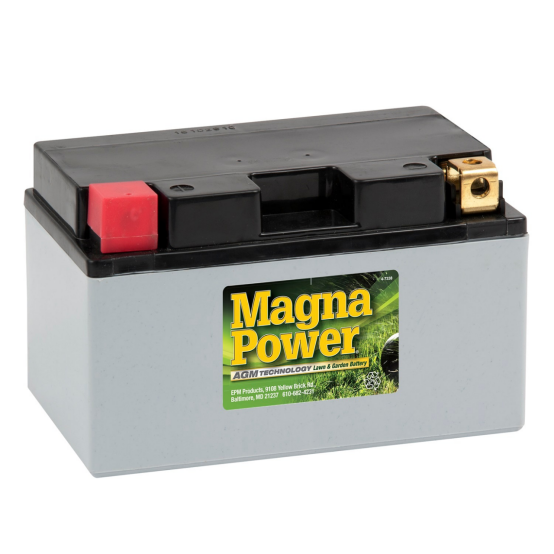
Understanding lab conditions helps, but actual performance depends on key real-world variables:
Yard Terrain and Grass Type
Slope: Each 5-degree increase reduces coverage 8–10%.
Grass density/type: Cool-season grasses (like Kentucky bluegrass or tall fescue) are denser than warm-season grasses (Bermuda, Zoysia), consuming more battery. Cool-season lawns can reduce coverage by ~15%.
Uneven surfaces: Bumps cause frequent motor adjustments, further reducing coverage by 12–15%.
Usage Habits and Maintenance
Frequent stops or rapid speed changes increase battery drain by 8–10%.
Dull blades or debris accumulation raise motor load, reducing coverage 15% (blades) and 5–8% (debris).
Battery charging habits: Avoid letting batteries fully deplete or overcharging overnight to prevent accelerated degradation. Charge at 20–30% remaining and stop when full.
Three Steps to “Cut Through the Hype” of Coverage Claims
Step 1: Adjust the Claimed Area Based on Test Conditions
Estimate your expected coverage by applying reductions for real-world conditions:
Base discount 20%: Short, thin, flat lab grass vs. real lawn.
Terrain & grass type discount: Add 10–15% for slopes or dense grass.
Battery age & temperature discount: Add 10–15% if battery is used or hot summer temperatures prevail.
Example: A 0.25-acre mower in a 5-degree slope yard with tall cool-season grass and a 1-year-old battery:
0.25 × 80% × 90% × 85% ≈ 0.162 acres (≈655 m²).
Step 2: Cross-Reference Third-Party Data
Consumer Reports: Offers realistic coverage data under closer-to-home conditions.
Professional magazines: Lawn & Garden Magazine, Pro Tool Reviews, etc., provide long-term testing and battery performance info.
Customer reviews: Amazon, Home Depot reviews over 3+ months can indicate coverage consistency.
Step 3: Trial Run in Your Own Yard
Test a known section of your yard (e.g., 100 m²). Note battery depletion and extrapolate full coverage.
Adjust mowing strategy: mow in cooler hours, tackle flat areas first, or split mowing sessions for taller grass.
Four Common Battery Life Misconceptions
“Bigger battery = bigger coverage”: Not always; motor efficiency, mower weight, and blade design matter.
“Fast charging solves short battery life”: Fast charging only reduces downtime, not actual coverage. Dual battery systems are more effective for large yards.
“Maximum coverage = regular usage coverage”: Maximum coverage is idealized. Focus on “typical usage coverage” or apply a 30% reduction.
“Electric mowers are worse than gas”: Modern electric mowers are quieter, low-maintenance, and eco-friendly. Proper assessment ensures adequate coverage without overestimating.
Conclusion: Understand the “Hype” to Choose the Right Electric Lawn Mower
Manufacturer coverage claims are not false—they reflect idealized testing. The key for homeowners is to identify the sources of “inflation” and combine discounted estimates, third-party validation, and trial runs to find a mower suited for your yard.
Prioritize consistent real-world performance over headline numbers. Mowers like EGO Power+ or high-end Toro models often deliver reliable coverage despite lower advertised numbers.
Have you experienced battery “shrinkage” with your electric mower? Do you have tricks for estimating real coverage? Share your experience in the comments to help other U.S. homeowners choose the right electric mower.