Winter Battery Guide: How to Charge and Store Your Electric Lawn Mower for Optimal Performance

As winter approaches, many electric lawn mowers enter a long period of inactivity. However, improper battery maintenance during this season can lead to problems in spring, such as reduced battery life, low runtime, or even complete failure. This is especially critical for cordless electric lawn mowers or electric riding lawn mowers that use high-capacity lithium batteries. This guide explains key winter charging and storage techniques to preserve battery health and ensure your mower is ready for use when the grass grows again.
Understanding Winter Battery Risks
Lithium-ion batteries in electric lawn mowers are sensitive to low temperatures. Two main issues require attention during winter storage:
1. Reduced Charging and Discharging Efficiency
When temperatures drop below 50°F (10°C), chemical reactions in the battery slow down:
Charging may reach only 80% capacity before appearing full.
Discharging at low temperatures can reduce runtime by 30%-50%.
Charging below freezing (32°F / 0°C) can damage the battery, causing swelling and permanent capacity loss.
2. Deep Discharge and Dormancy
Idle batteries slowly lose charge due to self-discharge. If stored below 20% capacity for an extended period:
Batteries may enter a dormant state.
This can result in irreversible damage, making the battery difficult or impossible to reactivate.
Winter Charging: Three Key Steps to Protect Your Battery
Proper charging during winter is essential. Avoid simply plugging in the battery like you would in warmer months. Follow these steps:
1. Warm the Battery Before Charging
If your electric lawn mower battery has been outdoors or in a cold garage, allow it to reach at least 50°F (10°C) before charging:
Place the battery in a dry indoor location, such as a heated garage or utility room.
Avoid direct heat sources like radiators or fireplaces to prevent thermal shock.
Never charge the battery in sub-freezing temperatures; this can damage cells and reduce lifespan.
2. Charge to 70%-80%, Not Full or Empty
Winter storage does not require a full charge, nor should the battery be left nearly empty:
Check the battery indicator if available. For chargers without a display, follow manufacturer guidance, typically charging until the indicator turns green and then for an additional 30 minutes.
Charging to 70%-80% reduces internal pressure, preserving battery life.
Avoid letting the battery drop below 20% to prevent deep discharge and winter dormancy.
3. Use the Original Charger Only
Different mower brands have unique voltage and charging protocols:
Using non-original chargers can lead to overcharging, undercharging, or inconsistent voltage, which is risky in winter.
Ensure the charger is ventilated during use. If it becomes hot (above 104°F / 40°C) or emits unusual noises, disconnect immediately and check for defects.
If you need replacement or winter-optimized batteries, visit Buy Electric Lawn Mower, where batteries are labeled with low-temperature compatibility and charging specifications.
Winter Storage: Four Essential Protection Tips
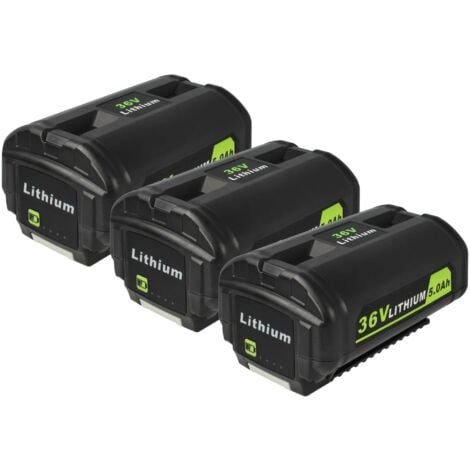
Proper storage preserves battery health for months of inactivity:
1. Choose a Dry, Temperature-Stable Location
Ideal conditions are 40°F-68°F (5°C-20°C) with 40%-60% humidity:
Indoor storage in heated garages or cabinets is preferred.
Avoid outdoor sheds, unheated garages, bathrooms, or kitchens near heat sources.
Detach removable batteries from the mower to prevent moisture transfer. For non-removable batteries, use a protective cover.
2. Store Batteries Separately and Insulate
Place batteries in original cases or clean plastic bags.
Apply electrical tape to terminals to prevent short circuits.
Avoid stacking heavy objects on top to prevent casing deformation and cell damage.
3. Recharge Monthly to Maintain Capacity
maintain aFollow winter charging steps monthly to maintain 70%-80% charge.
Lithium batteries self-discharge faster in cold weather; monthly recharging prevents deep discharge and dormancy.
4. Clean Batteries Before Storage
Wipe the exterior and terminals with a dry cloth.
For oxidation (white or green residue), gently clean with a cotton swab and rubbing alcohol, then dry completely.
Never rinse batteries with water.
Spring Activation: Two Steps to Restore Optimal Performance
Before first use in spring:
Charge to 70%-80% and run the mower at low speed for 10-15 minutes to activate the battery.
Fully recharge afterward. The battery should now reach its full runtime and performance.
EGO,If your electric lawn mower battery shows poor charging or reduced runtime after winter, inspect for swelling or leaks. Replacement batteries for major brands like Ryobi, Ego, or Toro can be found at Buy Electric Lawn Mower.
Winter Battery Maintenance Core Principles
Remember four key steps for winter battery care:
Warm before charging; never charge in freezing conditions.
Charge to 70%-80%; avoid full or empty storage.
Store in dry, temperature-stable locations with insulated terminals.
Recharge monthly and activate in spring before full use. Following these guidelines preserves battery health, avoids winter damage, and ensures your electric lawn mower is ready to go as soon as the growing season begins.