Brushless vs Brushed Motors: The Real Cost and Long-Term Experience in Electric Lawn Mowers

Five years ago, two identical electric lawn mowers were purchased: one equipped with a brushed motor and the other with a brushless motor. At first, the brushed motor seemed “good enough” for the job. But as time passed, the difference between them became undeniable. The brushed mower is now retired after several rounds of repairs and parts replacements, while the brushless mower continues to perform like new with minimal maintenance.
When choosing outdoor power tools like electric lawn mowers, most people focus on short-term convenience or price. What’s often overlooked is how these machines age over time. Brushed motors may work well at first, but they wear down quickly. Brushless motors, on the other hand, are designed for longevity and consistent performance.
This article examines their fundamental differences from three angles—technical design, long-term performance, and user experience—to help homeowners make smarter choices.
1. Core Difference: Why Brushless Motors Last Longer
The most critical difference between brushed and brushless motors lies in whether they contain physical wear components. That detail determines their durability and reliability over time.
Brushed Motors: Wear Components That Degrade Performance
A brushed motor relies on carbon brushes and a commutator to transfer electricity. The carbon brushes press against the commutator as the motor spins, creating continuous friction—similar to brake pads rubbing on a bike wheel.
Wear over time: Carbon brushes degrade with every use. After around 200–300 hours of operation (about 2–3 years of typical mowing), power loss becomes noticeable. Tall or thick grass becomes harder to cut, and continued use may lead to motor damage as brush dust accumulates inside.
Practical example: After two seasons of moderate use, the brushed mower started losing power, struggling to cut dense backyard grass. Replacing the brushes gave it one more year of use before it developed loud grinding noises and eventually failed.
Brushless Motors: No Wear Parts, More Consistent Power
Brushless motors eliminate both carbon brushes and commutators, replacing them with electronic controls. This design means there are no friction points inside the motor.
Longer lifespan: With no physical contact inside, a brushless motor typically runs 800–1200 hours (5–8 years of typical use) without performance loss.
Higher efficiency: Brushless systems convert energy more effectively—roughly 15–20% more than brushed equivalents—extending run time on the same battery charge.
Real-world performance: After five years, the brushless mower still cuts through tall grass cleanly and covers 30% more area per charge than the old brushed model.
Industry data: According to the Outdoor Power Equipment Institute, brushless motors in electric lawn mowers last about three times longer than brushed motors and consume 22% less total energy over their service life.
2. Long-Term Performance: What Changes After Years of Use
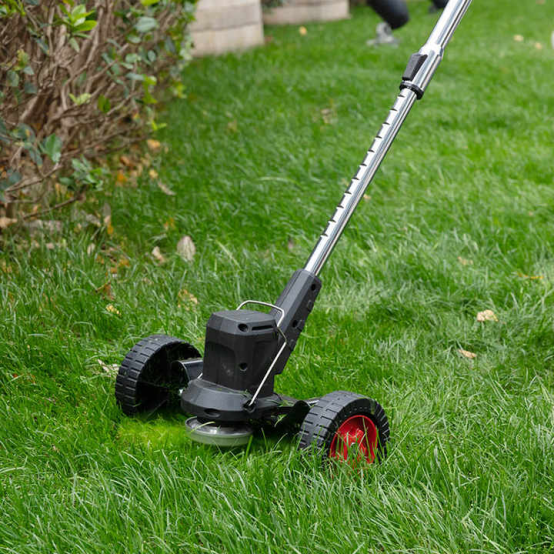
The differences between motor types go far beyond lifespan. For lawn equipment that sees regular use, power stability, noise levels, and maintenance needs all impact real-world experience.
2.1 Power Stability: Brushless Motors Don’t Fade Over Time
As carbon brushes wear down, brushed motors gradually lose speed and torque. In year three, the brushed mower required multiple passes to cut the same lawn height it once handled in a single pass. Thick patches would stall the blade.
The brushless motor, however, maintained stable output year after year, cutting dense or tall grass without hesitation.
2.2 Noise and Vibration: Brushless Means Quieter Operation
Brushed motors produce noise as the brushes grind against the commutator. Over time, as the brushes wear unevenly, the noise increases. Typical operating noise can reach 85 decibels—roughly as loud as a passing truck—often requiring ear protection.
In contrast, brushless motors generate far less mechanical noise, averaging around 65 decibels, similar to normal conversation. Lower vibration also reduces fatigue during long mowing sessions.
2.3 Maintenance Frequency: Less Downtime with Brushless
Brushed motors require periodic carbon brush replacements every 2–3 years, plus occasional bearing or commutator repairs. For frequent users, this means several maintenance cycles over the tool’s lifespan.
Brushless motors need little more than surface cleaning and occasional battery checks. Over five years of use, the brushless mower has required zero internal repairs, saving both time and cost.
User feedback: One Amazon reviewer shared that after switching from brushed to brushless, their mower ran for six years with no motor repairs, only battery replacements. Noise and vibration were significantly reduced, making mowing more comfortable.
3. Which Motor Should You Choose?
Not every situation requires a brushless motor. Brushed options can still be practical for light-duty or short-term use. But for regular or long-term lawn care, brushless technology offers clear advantages.
Brushed Motor: For Occasional or Light Use
Best for:
Small lawns under 1,000 sq. ft.
Mowing fewer than 10 times per year
Homeowners planning to replace equipment in 2–3 years
Tip: If choosing a brushed model, pick one with easy-to-replace brushes. Some brands offer dedicated brush kits, allowing quick DIY maintenance without professional service.
Brushless Motor: For Regular or Long-Term Use
Best for:
Medium to large lawns (over 2,000 sq. ft.)
High-frequency mowing (20+ times per year)
Users who value low noise, high power, and fewer repairs
Buying advice:
Look for a motor with at least 1,500 watts of power to handle thick or tall grass. A weather-resistance rating of IPX4 or higher is recommended to protect against rain or sprinkler splash. Most modern brushless mowers meet these criteria.
4. Final Thoughts: Brushless Pays Off in the Long Run
Choosing between a brushed and brushless motor is less about upfront cost and more about what happens after years of use. A brushed motor can work well for occasional mowing but brings more maintenance, louder noise, and shorter life expectancy.
A brushless motor, while often slightly more expensive initially, delivers stable power, quiet operation, and minimal maintenance for years—making it the smarter investment for most homeowners.
When selecting your next electric lawn mower, consider how often it will be used and how long you want it to last. For those prioritizing performance and reliability, brushless is the clear winner.