Electric Lawn Mower Troubleshooting: Noise and Power Issues Explained

Quick Guide to Diagnosing Common Problems
Electric lawn mowers are essential tools for maintaining a healthy backyard, but even high-quality electric lawn mower models—whether cordless electric lawn mowers or self-propelled variants—can develop minor issues over time. The most frequent problems homeowners encounter are unusual machine noises and reduced cutting power. Fortunately, these often stem from simple maintenance oversights or small component issues and can be resolved without professional service. This guide provides step-by-step troubleshooting tips to help you restore your electric lawn mower to optimal performance.
Table of Contents
Identifying and Fixing Unusual Noises
Strange sounds during operation—grinding, rattling, or metallic clanging—are usually caused by external obstructions or loose components rather than core motor failures.
1. Check for Foreign Objects
Debris such as sticks, grass clumps, or small stones often causes the loudest noises:
Procedure: Turn off the electric lawn mower (remove battery for cordless models or unplug corded units), wait for the blade to stop, and carefully tip the mower. Inspect under the deck for trapped debris.
Common causes: Twigs, string, or thick grass wrapped around the blade or spindle. Small rocks hitting the blade can create metallic noises and accelerate wear.
Solution: Use gloves or pliers to remove debris. If tightly entangled, loosen the blade screws to remove and clean the blade safely.
2. Inspect the Blade for Looseness or Damage
The blade’s condition directly affects electric lawn mower operation and noise levels:
Looseness check: Gently wiggle the blade; any noticeable movement indicates loose screws, which can cause vibration and scraping noises.
Damage or wear: Bent, chipped, or dull blades create uneven rotation and irregular vibrations.
Solution: Tighten screws to manufacturer-recommended torque or replace the blade with a compatible model. Confirm the sharp side faces outward for proper cutting.
3. Examine External Components
Noises can also originate from the mower deck, handle, or self-propelled wheels:
Loose housing: Tighten any screws on the mower body to reduce vibration.
Handle connections: Adjust or secure loose handles to eliminate rattle.
Self-propelled wheels: Remove debris and apply 1–2 drops of mechanical lubricant to axles to reduce friction.
Diagnosing Power Loss
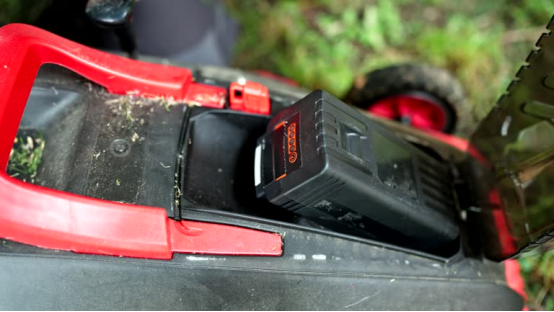
Reduced cutting performance often stems from power supply or overloading issues. Troubleshooting varies slightly between cordless and corded models.
1. Cordless Electric Lawn Mowers: Check the Battery
Battery condition is critical for cordless electric lawn mower models:
Low charge: If indicator lights show low power, recharge fully with the original charger to ensure proper voltage.
Aging battery: If runtime is significantly shorter than expected, the battery may be worn out (typical lifespan is 2–3 years for home units).
Solution: Replace with a compatible battery from a reliable platform, such as Buy Electric Lawn Mower, which offers original replacement batteries.
2. Corded Electric Lawn Mowers: Inspect Power Supply
Power issues often originate from cords or outlets:
Cord inspection: Look for cuts or fraying, especially near plugs or the mower connection.
Outlet check: Test a different outlet with matching voltage (usually 110–120V, 60Hz) to rule out supply issues.
Extension cords: Use a heavy-duty cord rated for the mower’s power (typically 10A or higher for 1000–1500W mowers).
Solution: Replace damaged cords or outlets, and ensure high-current extension cords are used.
3. General Load and Cutting Conditions
Overloading can reduce motor performance:
Cutting height: Too low a setting increases resistance and reduces speed; adjust to 2–3 inches for most home lawns.
Grass density: Thick or overgrown patches may require multiple passes to prevent motor strain.
Solution: Raise cutting height initially and gradually reduce it after removing the tallest grass sections.
When to Contact Professionals
Avoid DIY repairs if you notice:
Smoke or a burning smell alongside unusual noise.
Persistent power loss despite normal battery and cord checks, with excessive motor heat.
Self-propelled drive issues while blade function is normal.
Regular maintenance—cleaning the deck after each use, checking blade wear monthly, and avoiding deep battery discharge—prevents most noise and power problems.
Replacement Parts and New Mower Selection
For blades, batteries, or full replacement units (including popular models like Ego or Best electric lawn mower), purchase from verified platforms to ensure compatibility and quality. Buy Electric Lawn Mower offers cordless, self-propelled, and corded electric lawn mower options along with original parts and guides to simplify selection.
Conclusion
Most electric lawn mower issues, such as noise and reduced power, are minor and solvable with a structured troubleshooting approach: inspect for debris, check blade integrity, and verify power sources. Prioritize safety—always turn off and unplug before handling blades. For motor or transmission problems, rely on professional service or compatible replacement parts. Consistent maintenance ensures your electric lawn mower performs reliably for years, keeping your lawn perfectly trimmed with minimal hassle.