Maintenance in Humid Climates: How to Prevent Grass Clippings Buildup and Corrosion on Handheld Electric Lawn Mowers

In regions with frequent rain and high humidity, handheld electric lawn mowers—compact units ideal for small lawns—are prone to specific maintenance challenges. Wet grass clippings can stick to the deck, clog discharge vents, and accelerate corrosion on metal parts. Scratches or worn coating on the chassis further speed up rust development, shortening the tool’s lifespan. Mastering timely cleaning and targeted protection can prevent these issues effectively. This guide provides practical maintenance tips tailored to handheld electric lawn mower users in humid climates.
Table of Contents
Understanding the Risks: 3 Hazards for the Deck in Humid Conditions
1. Grass Clippings Accumulation: Reduced Efficiency and Dull Blades
Wet clippings are sticky and can adhere to both the deck and blades.
- Short-term: Narrow discharge channels get blocked, blades tangle, and motor load increases, causing reduced cutting power.
- Long-term: Moldy clippings can corrode the blade’s anti-rust coating, resulting in rust, dullness, and reduced cutting efficiency. Blades that normally last a year may need replacement in as little as six months under humid conditions.
2. Deck Corrosion: From Rust Spots to Structural Damage
Handheld mower decks are usually made of thin metal, which is vulnerable in humid environments:
- Wet clippings create localized high-humidity zones, which, when in contact with scratches or coating gaps, trigger electrochemical corrosion.
- Uncleaned clippings, combined with condensation, continuously expose metal surfaces to moisture. This can lead to rust spreading, deck thinning, holes, and even loosening of blade connections.
3. Indirect Effects: Shortened Motor and Battery Lifespan
- Motor: Clogged blades increase operating resistance. Small handheld motors are especially susceptible to overheating under sustained high load.
- Cordless Batteries: Water infiltration from the deck can reach the battery compartment, risking short circuits or leaks.
3 Steps to Prevent Grass Clippings Buildup
Step 1: Quick Cleanup Within 5 Minutes After Use
- Remove clippings: After turning off the mower, tilt it away from the battery and motor, and scrape wet grass from the deck and blades onto newspaper using a plastic scraper.
- Rinse (for waterproof models): IPX4 and above units can be rinsed with a low-pressure hose. Use a soft brush for stubborn clippings near the blade base. Non-waterproof models should use a brush and dry cloth.
- Dry and inspect: Wipe the deck and blades thoroughly, paying special attention to metal joints and discharge channels. Ensure no clippings remain.
Note: Avoid removing blades unless replacing them to prevent loose installation. This quick routine helps maintain your electric lawn mower’s efficiency in humid conditions.
Step 2: Weekly Deep Cleaning
- Remove the grass catcher: Wash and dry thoroughly before reattaching to prevent mold.
- Clean gaps: Use bent wire hooks or air blowers to clear debris from blade bases and discharge corners.
- Disinfect and inspect: Wipe any mold with diluted neutral disinfectant, let sit 5 minutes, then dry. Light rust can be removed using fine sandpaper along the blade edge. Regular deep cleaning ensures the electric lawn mower continues to operate at peak performance.
Step 3: Anti-Stick Measures
- Anti-stick spray: After deep cleaning, spray a silicon-based anti-stick coating on the deck and blades (avoid battery and motor).
- Replace coated deck: If the coating is heavily damaged, consider swapping for a Teflon-coated original deck. Handheld electric lawn mower decks are small and easy to replace.
4 Tips to Prevent Deck Corrosion
- Apply anti-rust after cleaning: Use a cotton swab to apply a neutral anti-rust solution (like WD-40) to exposed metal, including blade shafts and deck screws. For light rust, sand before application. Avoid applying on cutting edges.
- Monthly touch-ups: Repair scratches with matching anti-rust paint. Clean the area first, then apply and let dry.
- Avoid extreme humidity during use: Do not operate on wet grass or after heavy rain. Wait 1–2 days post-rain or clean immediately if necessary.
- Long-term storage protection: Clean and dry the deck thoroughly, apply anti-rust to metal parts, and store in a dry, ventilated area, or use a small waterproof dust cover. Check for rust or mold monthly if stored for over a month. These steps extend the lifespan of your electric lawn mower significantly.
3 Common Maintenance Pitfalls
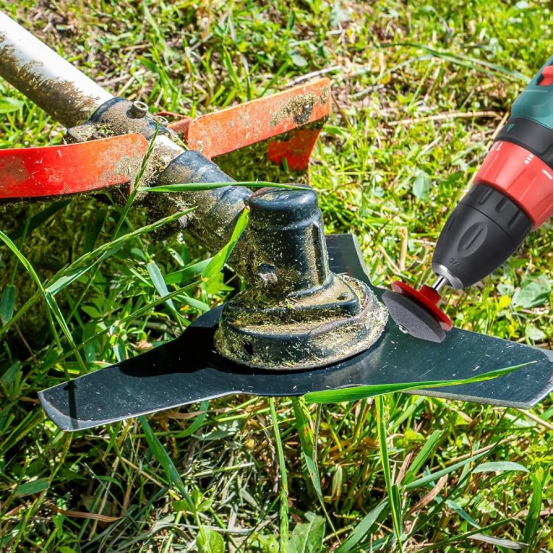
- No high-pressure washing: Avoid removing coatings or pushing water into motor/battery compartments. Use low-pressure water or a spray bottle.
- Always dry after cleaning: Residual moisture can corrode thin decks. Tilt and air-dry for 30 minutes.
- Protect the motor and battery from moisture: avoid water contact, dry immediately if exposed, and clean motor dust covers regularly to prevent humidity accumulation. These precautions safeguard your electric lawn mower’s internal components.
Recommended Maintenance Tools
- Small hard plastic scraper: For safely removing clippings.
- Mini anti-rust spray and touch-up paint: Perfect for precise, small applications.
- Compact waterproof dust cover: Protects during storage.
- Cotton swabs and small soft brushes: For detailed cleaning and anti-rust application.
For purchasing tools or exploring handheld electric lawn mower models adapted to humid climates, visit the product page here, filtered under “Handheld” with maintenance guidelines.
User Experience
Users report that following these steps keeps their handheld electric lawn mower running efficiently through wet seasons. Quick cleanup after each use, combined with weekly deep maintenance and anti-corrosion measures, prevents clogging and prolongs blade sharpness. The small, handheld design allows for easy access to all parts without disassembly.
Summary
In humid climates, the key to maintaining a handheld electric lawn mower is timely cleaning and lightweight protection. Regular upkeep prevents major faults and extends the mower’s life. For severe rust or clogging issues, specific guidance based on the situation can provide targeted solutions. Using these practices, your handheld electric lawn mower remains efficient, safe, and long-lasting.