Eco-Friendly Lawn Care: How to Use an Electric Lawn Mower to Mulch Grass and Protect Roots

Many homeowners rely on herbicides to keep weeds from competing with their lawns. What often goes unnoticed, however, is that herbicides can slowly contaminate the soil and weaken the very roots they’re supposed to protect. The good news is, you don’t need chemicals to achieve a healthy lawn. By using an electric lawn mower with a mulching function, you can return finely cut grass clippings to the soil, creating a natural root shield. This not only saves money on herbicides but also promotes stronger, greener grass.
Below, we’ll break down why mulching works, how to choose the right best electric lawn mower, and the techniques you’ll need to get the most out of mulching.
Why Mulched Grass Protects Lawn Roots
Grass clippings are rich in nitrogen and potassium—two nutrients essential for turf health. When left on the lawn, these clippings decompose and feed the soil, working like free fertilizer. They also form a protective layer, reducing water evaporation in summer and keeping the soil insulated in winter. Compared to bare soil, mulched lawns retain moisture, resist drought, and protect delicate root systems.
The secret lies in cutting grass fine enough and spreading it evenly. This is where the electric lawn mower shines. Unlike gas mowers, electric models are easier to control and provide consistent mulching results.
Choosing the Right Electric Lawn Mower
Your lawn size and terrain determine which type of mower is best:
Cordless Electric Lawn Mower – Perfect for small yards under 1,200 sq. ft. A small electric lawn mower is lightweight, easy to maneuver, and can finish a yard on a single charge. No cords mean hassle-free movement around trees and flowerbeds.
Electric Riding Lawn Mower – Best for large yards over 3,000 sq. ft. Riding mowers save time and energy while offering powerful mulching performance.
Self Propelled Electric Lawn Mower – Ideal for sloped or uneven lawns. The mower powers itself forward, so you don’t need to push hard, making mowing hills safer and easier.
Whichever model you choose, make sure it has a dedicated mulching function. These models use blade designs that cut clippings into smaller pieces, speeding up decomposition and improving soil health.
Mulching Techniques: How to Get It Right
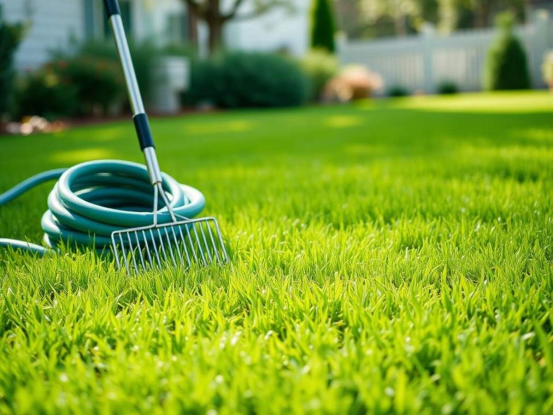
Even with the right mower, technique matters. Done incorrectly, mulched clippings can smother the grass. Follow these tips for the best results:
1. Control Grass Height
Don’t wait until grass grows out of control. Start mowing when it reaches 4–6 inches tall. At this length, blades are still tender, and the mower can cut them into fine ½–¾ inch clippings. If your grass is too long, mow once at a higher setting, then mow again lower for finer mulch.
2. Set the Proper Cutting Height
Leave 2–3 inches of grass after mowing. This protects roots from sun exposure while giving clippings room to settle between blades instead of matting on top.
3. Adjust Mowing Speed
If you’re using an electric push lawn mower, don’t rush. Moving slowly allows the blade to chop clippings evenly. For self propelled electric lawn mower models, stick to medium speed and let the machine’s rhythm guide you.
Maintaining Your Electric Lawn Mower
To keep your mower mulching effectively, routine care is essential:
Clean the Deck – After each mow, use a scraper to clean electric lawn mower deck and remove clumped clippings. Leftover debris can affect airflow and reduce mulching quality.
Sharpen the Blades – Dull blades tear grass instead of cutting it, leaving long, coarse clippings that decompose slowly. Check blades regularly and sharpen when needed.
Care for the Battery – For a battery powered electric lawn mower, recharge after every use. Avoid letting the battery fully drain before charging, as this extends battery life and ensures strong cutting power.
Electric vs Gas Lawn Mowers: Which Is Better for Mulching?
When comparing electric vs gas lawn mower, electric models come out ahead for eco-friendly mulching. Gas mowers emit exhaust that can pollute soil and air, while electric mowers produce zero emissions. They’re also quieter, making them neighborhood-friendly.
Gas mowers may offer raw power, but today’s electric lawn mowers provide more than enough strength for residential yards while being easier to start, lighter to push, and requiring less maintenance—no oil changes, no carburetor cleaning.
The Bottom Line: Mulching for a Healthier Lawn
Breaking free from herbicide dependency starts with smarter mowing. By selecting the right electric lawn mower—whether cordless, self-propelled, or riding—you can mulch clippings into the soil to protect roots naturally. Combine proper mowing height, slower speed, and regular mower maintenance, and your lawn will stay green, healthy, and low-maintenance all year long.
For homeowners still deciding on the best electric lawn mower, check recent electric lawn mower reviews to compare models. Look for those with reliable mulching functions and strong customer feedback. With the right choice, you’ll save money, reduce chemical use, and build a more resilient lawn the natural way.