The Ultimate Guide to Electric Lawn Mower Settings for Your Grass Type

Mowing your lawn isn’t one-size-fits-all. Kentucky Bluegrass, Bermuda, Zoysia—each popular American turfgrass has unique needs. Using the wrong height or blade can lead to a thin, brown, or stressed lawn. This guide pairs specific grass types with the optimal settings for three common electric lawn mower models, helping you achieve a healthier, thicker lawn with every cut. You can explore the mowers referenced in this guide for detailed specs.
Table of Contents
Cool-Season Grasses: The “Mow High” Rule
These grasses thrive in northern climates (Zones 3-7) and prefer cooler temperatures. The golden rule: mow higher to encourage deep roots and shade out weeds.
1. Kentucky Bluegrass
- The Grass: The classic, soft-bladed lawn grass known for its rich color and tolerance to foot traffic.
- Perfect Electric Lawn Mower Setup:
- Blade: Standard rotary blade (plastic composite is fine for pure KBG).
- Height: 3.5 – 4 inches during peak season. Raise to 4 inches in summer heat.
- Frequency: Every 7-10 days during spring/fall growth.
- Best Mower Match: For small to medium pure KBG lawns, a cordless electric lawn mower like the 22V models provide a clean, quiet cut. For large lawns, the power of a 1600W corded model ensures you finish before the battery runs out.
2. Perennial Ryegrass
- The Grass: Fast-germinating, often used in sun/seed mixes. It has a fine texture but grows vertically and quickly.
- Perfect Electric Lawn Mower Setup:
- Blade: Keep it sharp! A dull blade will tear ryegrass, leaving a whitish cast.
- Height: 2.5 – 3.5 inches.
- Frequency: May require mowing every 5-7 days in spring. Never remove more than 1/3 of the blade at once.
- Best Mower Match: Its fast growth rate favors a mower with consistent power. The long runtime of a battery-powered lawn mower with a large-capacity battery (like a 6.0Ah pack) is ideal for keeping up.
3. Tall Fescue
- The Grass: Drought-tolerant with a broader, tougher blade. Common in transition zones.
- Perfect Electric Lawn Mower Setup:
- Blade: A sharp, durable metal blade is best to cleanly slice through its coarse texture.
- Height: 3 – 4 inches. Mow higher (up to 4 inches) in summer to enhance drought resistance.
- Frequency: Every 7-14 days, as it grows more slowly than ryegrass or bluegrass.
- Best Mower Match: The tougher blades demand more torque. The 1600W corded electric lawn mower provides unwavering power for a clean cut without bogging down.
Warm-Season Grasses: The “Mow Low & Often” Rule
These southern grasses (Zones 7-11) love heat and spread via runners/stolons. Mowing lower encourages lateral growth and that desirable, dense carpet.
1. Bermuda Grass
- The Grass: The ultra-durable, high-traffic grass that can handle very low mowing.
- Perfect Electric Lawn Mower Setup:
- Blade: A sharp, balanced reel mower blade is ideal for a crisp cut, but a very sharp rotary blade on a electric lawn mower works for home lawns.
- Height: 1 – 2.5 inches. Hybrid varieties can be kept at 0.5-1.5 inches.
- Frequency: Every 3-5 days during peak summer growth for a manicured look.
- Best Mower Match: Frequent mowing requires reliability. A corded electric lawn mower eliminates battery anxiety. For smaller Bermuda lawns, a high-quality cordless model with multiple batteries allows you to swap and continue.
2. Zoysia Grass
- The Grass: Slow-growing, dense, and tolerant of heat, drought, and shade. It forms a thick mat.
- Perfect Electric Lawn Mower Setup:
- Blade: Must be extremely sharp. A dull blade will rip and brown the tough Zoysia blades.
- Height: 1.5 – 2.5 inches.
- Frequency: Every 7-14 days is often sufficient due to its slow growth.
- Best Mower Match: Its density can strain motors. The consistent high power of a plug-in mower is excellent. For maintenance cuts, a robust cordless model performs well.
3. St. Augustine Grass
- The Grass: The broad-bladed, shade-tolerant favorite of the Gulf Coast. It has a spongy feel.
- Perfect Electric Lawn Mower Setup:
- Blade: A sharp standard blade. The broad blades can clump if the mower deck isn’t cleared.
- Height: 3 – 4 inches. Never cut below 2.5 inches, as this exposes the coarse stems.
- Frequency: Every 7-10 days in summer.
- Best Mower Match: Its preference for higher cuts makes it suitable for most electric lawn mower types. A self-propelled feature (if available) is helpful on its often-spongy turf.
Pro Tips for Any Grass Type with Your Electric Mower
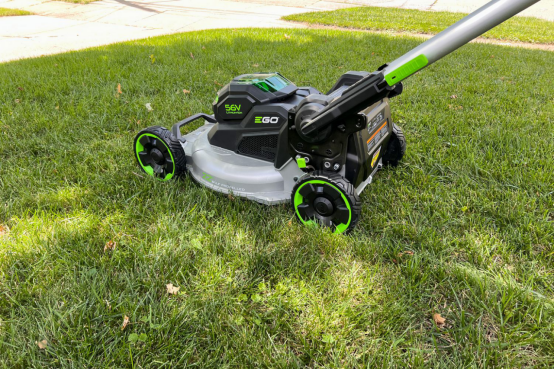
- The One-Third Rule: Never remove more than 1/3 of the grass blade height in a single mowing. This is the single most important rule for lawn health.
- Sharpen Blades Monthly: A sharp blade on your electric lawn mower makes a clean cut that heals fast. A dull blade tears grass, opening the door to disease and giving your lawn a brown tip.
- Mow When Dry: Always mow dry grass for a clean cut, better dispersal of clippings, and to avoid clogging your mower deck.
- Change Direction: Alternate your mowing pattern each time to prevent soil compaction and grass from leaning in one direction.
- Leave the Clippings: If mowed frequently following the one-third rule, leave the nutrient-rich clippings on the lawn as natural fertilizer (“grasscycling”).
Match Your Mower to Your Lawn’s Personality
- For Small, Delicate Lawns (Fine Fescue, Bluegrass): A lightweight battery-powered lawn mower offers ample power and sublime maneuverability.
- For Dense, Tough Lawns (Bermuda, Tall Fescue): Prioritize power. A high-wattage corded electric lawn mower or a high-torque cordless model will power through without hesitation.
- For Large Lawns of Any Type: Runtime is key. Either a corded model (with a safe, heavy-duty extension cord) or a cordless system with multiple large-capacity batteries is essential.
By treating your specific grass type with the respect it deserves, your electric lawn mower becomes more than a tool—it becomes your partner in cultivating a beautiful, resilient lawn.
Ready to get the perfect cut? Find the ideal electric lawn mower for your grass type and lawn size with our detailed comparison tool.