How Smart Mowing with an Electric Lawn Mower Can Cut Your Water Bill

A lush, green lawn doesn’t have to come with a staggering water bill. In fact, one of the most effective water-saving strategies lies not in your irrigation schedule, but in your mowing routine. Scientific mowing practices can enhance your lawn’s natural ability to retain moisture, potentially reducing irrigation needs by 30-50%. The key to executing this strategy with precision and ease is the right tool: a modern electric lawn mower. By mastering a few core techniques around cutting height, frequency, and timing—all easily managed with a quality electric lawn mower—you can maintain a beautiful lawn while practicing significant water conservation.
Table of Contents
The Science Behind Mowing for Moisture
Understanding why proper mowing saves water starts with your grass’s biology. A healthy lawn is its own best defense against drought, and mowing directly impacts two critical factors: soil coverage and root development.
Creating a Natural Moisture Blanket: Leaving grass at a slightly taller height (typically 3-4 inches) allows the blades to create a “living mulch.” This canopy shades the soil, dramatically reducing surface evaporation from sun and wind. The grass blades also trap morning dew and light rainfall, directing more moisture to the roots.
Building Drought-Resistant Roots: Scalping your lawn (cutting it too short) sends the grass into survival mode. It uses precious energy and water to regrow blades instead of deepening its root system. By mowing at the recommended height, you encourage roots to grow deeper into the soil, where they can access subsurface moisture and become less dependent on your sprinkler.
Outcompeting Thirsty Weeds: A consistently maintained turfgrass outcompetes weeds, which are often less efficient with water. An electric lawn mower that makes regular, gentle cuts helps maintain this competitive advantage, ensuring water is used by your lawn, not wasted on weeds.
3 Core Water-Saving Mowing Techniques
1. Master the Cutting Height: The 3-4 Inch “Sweet Spot”
The single most important rule is the “One-Third Rule”: Never remove more than one-third of the grass blade in a single mowing.
- Cool-Season Grasses (Kentucky Bluegrass, Fescue, Ryegrass): Maintain at 3.5-4 inches, especially during summer heat stress.
- Warm-Season Grasses (Bermuda, Zoysia): Maintain at 2.5-3.5 inches.
A modern electric lawn mower is ideal for this precision. Look for models with easy, single-lever height adjustment that allows you to dial in the exact setting for the season. This consistent accuracy prevents the stress of scalping, which immediately increases your lawn’s water demand.
2. Adjust Frequency, Don’t Just Follow the Calendar
Mow based on growth, not the day of the week. During peak growth in spring and fall, you may mow weekly. In the slower summer or dormant winter, you might mow every 10-14 days or longer. The goal is to maintain the target height by only cutting off the top third.
A cordless electric lawn mower offers the flexibility for this adaptive schedule. Its quiet operation and instant start mean you can do a quick, precise cut whenever the grass needs it, without the hassle of gas, oil, or loud noise disturbing the neighborhood.
3. Time Your Mowing for Lawn Recovery
The best time to mow is in the cooler, late afternoon or early evening. This gives the grass the overnight period to recover from the cut before facing the midday sun. Avoid mowing at noon or during a drought period when the lawn is already stressed.
A self-propelled electric lawn mower makes this easier. You can mow comfortably in the evening hours, and its consistent power handles slightly damp evening grass without clogging or stalling, unlike many gas mowers.
Why an Electric Lawn Mower is the Ideal Water-Saving Partner
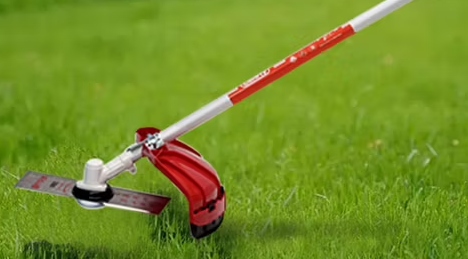
Beyond precise cutting, an electric lawn mower contributes to water conservation in several key ways:
- Cleaner, Healthier Cuts: The instant torque and consistent blade speed of an electric lawn mower create a clean, scissor-like cut. Ragged tears from a dull gas mower blade create larger wounds that lose more moisture and invite disease.
- Zero Emissions for Soil Health: Without exhaust fumes or fuel spills, you’re not contaminating the very soil you’re trying to keep healthy and moisture-retentive. A thriving soil microbiome holds water more effectively.
- Mulching Capability: Many electric models excel at mulching, finely chopping clippings and returning them to the lawn. This acts as a free, nitrogen-rich fertilizer and a light layer of moisture-retaining organic matter, further reducing the need for supplemental watering and feeding.
Choosing the Right Electric Lawn Mower for Your Yard’s Size
- Small/Medium Lawns (under 1/4 acre): A cordless electric lawn mower with a 40V-60V battery system and a 18-20 inch deck provides ample power and runtime. Its lightweight maneuverability is perfect for precise height adjustments. Browse our selection of precise, water-smart electric lawn mower models.
- Large Lawns (1/4 acre to 1/2 acre): Opt for a self-propelled electric lawn mower with dual batteries or a high-capacity 80V system. The self-propelled feature reduces fatigue, making it easier to maintain a consistent mowing schedule and cutting height across a larger area.
- Complex Terrain (hills, slopes): Look for a model with robust rear-wheel drive or even all-wheel drive. Stability on slopes ensures an even cut, preventing scalping on inclines which are particularly vulnerable to drying out.
Complementary Water-Saving Lawn Care Tips
- Leave the Clippings: Practice “grasscycling.” The clippings decompose quickly, returning nutrients and organic matter to the soil, improving its water-holding capacity.
- Water Deeply & Infrequently: When you do irrigate, water deeply (about 1 inch) to encourage deep roots. Use the data from your smart mowing to water less often.
- Sharpen Your Blade: A sharp blade on your electric lawn mower is non-negotiable for clean cuts and water efficiency. Dull blades shred grass, increasing water loss.
Conclusion: A Greener Lawn with a Smaller Water Footprint
Water conservation and a beautiful lawn are not mutually exclusive. By adopting smarter mowing practices centered on correct height and timing, you empower your grass to become more resilient and self-sufficient. A modern, easy-to-use electric lawn mower is the perfect partner in this effort, offering the precision, cleanliness, and flexibility needed to execute this strategy flawlessly.
This approach saves a precious resource, saves you money, and results in a healthier, thicker turf. It’s a winning equation for any homeowner. Ready to make the switch? Explore our guide to battery-powered electric lawn mower systems designed for both performance and sustainability.