The One-Third Rule How to Mow Your Lawn for a Healthier, Denser Lawn

Many homeowners think cutting the lawn very short saves time and reduces mowing frequency, but this practice can actually damage your lawn, leading to yellowing grass and increased weed growth. The key to proper lawn care is the One-Third Rule—never cut more than one-third of the grass height at a time. Following this principle protects the roots, encourages tillering, and keeps your lawn dense and healthy. This article explains the science behind the One-Third Rule and how to optimize its implementation with the right electric lawn mower.
Understanding the One-Third Rule Why Cutting Too Short Harms Your Lawn
Grass health is directly related to grass height. Cutting too much at once weakens the lawn’s natural recovery ability. Here’s why following the One-Third Rule matters:
1. Protecting the Root System
Grass blades produce nutrients through photosynthesis to feed the roots. Cutting more than one-third reduces leaf area, limiting nutrient production and causing root shrinkage. For example, Kentucky bluegrass should maintain a mowing height of 3-4 inches. Cutting it below 1 inch reduces root depth by half, weakening drought tolerance and resistance to pests.
2. Reducing Weed Competition
Short mowing exposes soil to sunlight, encouraging weed germination. Following the One-Third Rule leaves taller grass that shades the soil, suppressing weed growth and giving the lawn a competitive advantage.
3. Enhancing Environmental Resilience
Maintaining adequate height helps grass endure extreme temperatures. Taller blades provide shade in summer, reducing water loss, and protect the soil in winter, reducing freeze damage. Cutting too short removes this natural protection.
Implementing the One-Third Rule Three Key Steps
Proper implementation requires attention to lawn height, mower selection, and mowing frequency, adjusted seasonally.
Step 1: Determine Optimal Mowing Time
Cut when the grass exceeds 1.5 times the desired height. For a target of 3 inches, mow at 4.5 inches, removing only 1.5 inches—exactly one-third. Avoid letting the lawn grow too tall (cutting more than one-third at once) or mowing too frequently in tiny amounts (which increases mechanical stress).
Step 2: Choose the Right Electric Lawn Mower
Select a mower based on lawn size and height adjustment needs:
Small lawns (<500 sq ft): Hand-push corded electric lawn mowers allow precise trimming and height control.
Medium to large lawns (500–2,000 sq ft): Cordless electric lawn mowers like Ego or Ryobi offer longer runtime and adjustable height settings.
Extra-large lawns (>2,000 sq ft): Electric riding mowers with height memory save time and ensure consistent one-third cutting.
You can filter models based on lawn area and height adjustment at Buy Electric Lawn Mower.
Step 3: Adjust Cutting Height Seasonally
Spring: 2.5–3 inches to encourage tillering.
Summer: 3.5–4 inches to reduce drought stress.
Fall: 3–4 inches to allow nutrient accumulation.
Winter: Cool-season grasses at 2–2.5 inches, warm-season grasses at 3 inches to protect roots.
Mowing Tips to Improve Lawn Health
1. Adjust Blade Height Precisely
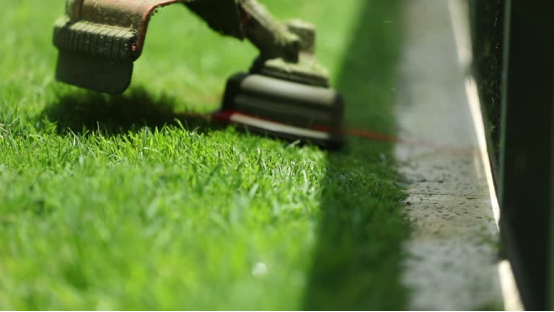
Most electric lawn mowers have 3–7 height settings. Set the blade to remove exactly one-third of the current grass height for every mowing session. Avoid setting to the lowest height, which can stress the lawn.
2. Change Mowing Direction
Alternate mowing direction each session to prevent grass from leaning consistently in one direction. Using a self-propelled electric lawn mower at slower speeds ensures even cutting and reduces the risk of missed or damaged areas.
3. Clean the Mower Deck Regularly
After mowing, remove clippings from the mower deck, especially when dealing with diseased grass. Use a scraper or cleaning tool to prevent disease spread and extend mower lifespan.
Common Mistakes That Damage Lawns
Mowing when the grass is wet: Wet blades slip and tear grass, compact soil, and reduce oxygen availability to roots.
Leaving clippings piled up: Excessive clippings block sunlight and air, causing yellowing. Use a mower with a collection bag or distribute clippings evenly.
Using dull blades: Dull electric lawn mower blades tear rather than cut, increasing disease risk. Check blade sharpness every 10–15 mows.
One-Third Rule + Proper Tools = Thriving Lawn
Effective lawn care is about smart mowing, not just frequent mowing. By following the One-Third Rule and using the right electric lawn mower for your lawn size and seasonal conditions, you can cultivate a denser, healthier lawn. For guidance on mower selection or troubleshooting lawn issues, visit Buy Electric Lawn Mower or check user reviews for grass area and tool compatibility.