Pet-Friendly Lawn Safety Guide: Electric Lawn Mower + 3-Step Care for Worry-Free Playtime

Introduction
Every time I mow the lawn, my dog “Bean” sits at the patio door watching eagerly. But back when I used a gas-powered mower, I never let him out immediately afterward—rough grass clippings could hurt his paw pads, and I worried about him licking up harmful fuel residue.
If you’re a pet parent, you’ve probably felt the same tension: you want a neat lawn, but you don’t want to risk your furry friend’s health.
The truth is, with the right mower and a few simple care steps, your lawn can become a safe play zone for pets. In this guide, I’ll show you how an electric lawn mower (low noise, fine clippings, no exhaust fumes) combined with 3 easy care steps can transform your yard into a safe and happy playground where your pets can roll, run, and relax without worry.
1. Choosing the Right Electric Lawn Mower: 3 Key Criteria for Pet Families
For homes with pets, “pet-friendly features” matter more than mowing speed. Gas-powered mowers create noise, fumes, and sharp clippings that can all be hidden risks for cats and dogs. The right electric mower solves these issues from the ground up.
1. Low Noise (≤60 dB): Gentle on Sensitive Ears
Pets hear 2–4 times better than humans. A gas mower produces 80–90 dB (like a vacuum at full blast), which can easily trigger stress.
Real-world example: My dog Bean used to shake at the roar of a gas mower. Now with an electric mower, he calmly watches from the fence, sometimes even sniffing curiously at the machine without stress.
Bonus: Low noise also keeps neighbors happy—you can mow early in the morning without disturbing anyone.
2. Fine Clippings: No Paw Pad Injuries
Gas mowers often leave grass stalks 3 cm or longer, which can wedge into paw pads and cause swelling or infection. Modern electric mowers with fine-cut technology shred grass into clippings smaller than 0.5 cm:
Safety benefit: Fine clippings act like a natural soft mat, so dogs won’t get stabbed, and cats can roll in the grass safely.
My experience: With my old gas mower, I pulled 2–3 stalks out of Bean’s paws almost every day. Since switching, I haven’t found a single injury in months.
3. No Fuel Residue: Safe Even if Pets Lick Grass
Gas mowers leave behind invisible exhaust and oil particles on grass. If pets lick or chew grass, it can upset their stomachs. Electric lawn mowers run on batteries—no fumes, no residue:
Verification: I wiped a freshly cut blade with a tissue—completely clean. Bean often chews grass, and my vet has noted his digestion is much healthier since we switched.
Peace of mind: Pets can go on the lawn immediately after mowing, no need to wait hours for fumes to clear.
2. Post-Mowing 3-Step Care: 15 Minutes to a Pet-Safe Lawn
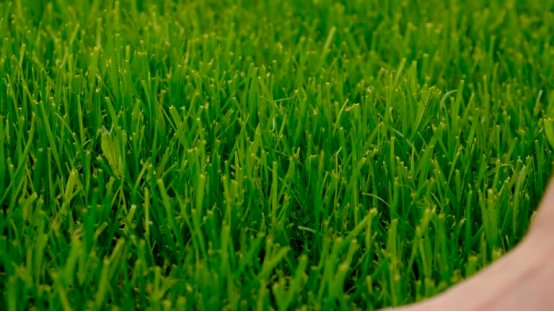
Choosing the right mower is the foundation, but a little care after mowing makes the lawn even safer and easier to maintain. These three steps take under 15 minutes and require no special tools.
Step 1: Leave Fine Clippings as a “Natural Mat”
Instead of bagging up the shredded clippings, leave them on the lawn:
Benefit 1: Creates a cushion for paws and prevents soil cracks that can cause slipping.
Benefit 2: Decomposes in 2–3 days into natural fertilizer—safe for pets, and you won’t need chemical lawn food.
Note: If you have larger branches or coarse clippings, clear those out to prevent choking hazards.
Step 2: Light Rinse with Water
Even with clean electric mowing, dust can settle on grass blades. After mowing:
Use a garden hose on a gentle “shower” mode to spray the lawn for 1–2 minutes.
Benefit: Washes away dust and leaves the grass fresh. My dog loves licking the cool water droplets from the blades afterward.
Step 3: Trim Edges Weekly
Pets often sniff or rub against lawn edges where twigs and weeds grow. These can cause cuts or choking if swallowed.
Use the mower’s edge-trimming attachment to cut back any weeds or branches once a week.
Result: No sharp stems left. Since I started this, Bean hasn’t had any more stomach troubles from chewing stray stalks.
3. Common Mistakes to Avoid
Mistake 1: Thinking Manual Tools Are Safer
Hand tools (scythes, reel mowers) leave coarse stalks that can still injure paws. They’re less efficient and create uneven lawns that pets may slip on.
Mistake 2: Letting Pets Out Immediately After Mowing
Even with electric mowers, grass blades may hold heat from the motor, especially in summer. Wait 10 minutes before letting pets out.
Mistake 3: Ignoring Lawn Edges
Edges often hide stones, stalks, and dirt. Pets love sniffing there, but it increases the risk of paw injuries. Electric mowers with 360° trimming features prevent this buildup.
Mistake 4: Using Household Wastewater as Fertilizer
Soapy water or chemical fertilizers can irritate paws and skin. Stick to clippings + water care for a natural, pet-safe solution.
Conclusion: A Shared Playground for You and Your Pets
For pet owners, the best lawn isn’t just neat—it’s one where pets can run freely without risk.
By choosing an electric lawn mower (quiet, clean, fine-cut) and following 3 simple care steps (leave clippings, rinse with water, trim edges), you can create a safe, eco-friendly space for both you and your furry friends.
Want your pet to enjoy a worry-free lawn? Try our pet-friendly electric lawn mower—designed to keep your garden tidy and your pets happy.
FAQ
Q1: Could the mower blade accidentally hurt my pet?
No. Electric mowers are designed with safety features—blades stop automatically on contact with hard objects, and protective covers keep pets from reaching them.
Q2: Can I let pets out after mowing in the rain?
Wait until the surface is dry (about 2 hours). Wet grass can make pets slip and may increase mold growth.
Q3: Is this method safe for large dogs (like Golden Retrievers or Huskies)?
Absolutely. Larger dogs put more pressure on paw pads, so the fine clippings provide extra cushioning. And the lightweight design makes mowing big yards easy.