The Neighbor-Friendly Guide to Lawn Mowing: Best Quiet Hours to Use Low-Noise Lawn Mowers

Last summer, I made a mistake that still makes me cringe. One Saturday morning at 7 a.m., I rolled out my gas-powered lawn mower and started trimming my yard. Five minutes later, Mr. Miller, my retired neighbor, knocked on my door with a pair of earplugs in hand. He said, “Kid, my heart can’t handle that kind of noise.” That was the day I learned that mowing the lawn isn’t just about maintaining your property. It’s also about maintaining good relationships with the people who live around you.
I later switched to a low-noise cordless electric mower and figured out the best time of day to use it. My lawn stayed perfectly trimmed, and my neighbors appreciated the peace and quiet. Many homeowners don’t realize that gas lawn mower noise is one of the most common causes of neighborhood disputes in suburban communities. Gas mowers typically generate 80 to 90 decibels of noise, about the same level as a busy street. Electric lawn mowers, on the other hand, can keep noise down to around 60 to 70 decibels, similar to a normal conversation.
But choosing the right machine is only half the solution. Timing matters just as much as noise level. This article combines real experiences, community feedback, and widely accepted neighborhood norms to share the best quiet hours to mow your lawn with a low-noise mower.
Why “Low-Noise Lawn Mower + Right Timing” Keeps the Peace
The core issue behind noise complaints isn’t just how loud your mower is but when it’s used. Even a relatively quiet 60-decibel mower can feel disruptive if it breaks the silence of an early weekend morning.
Low-Noise Electric Mowers Are Far Less Disruptive
I used to run my gas mower, and Mr. Miller measured the noise in his closed living room at 78 decibels. After switching to a 40V cordless electric mower, his reading dropped to 62 decibels. He said, “It sounds like a TV next door.”
This is the real advantage of quiet mowers:
Lower and more stable noise levels: Electric mowers don’t have the sudden revving of gas engines. The sound stays steady, typically under 70 decibels.
Faster sound dissipation: A 60–70 dB sound fades to below 50 dB after 10 meters outdoors. If there’s a hedge or fence in between, most neighbors won’t hear a thing. Gas mowers, however, can still reach 65 dB even 20 meters away.
As one Amazon reviewer put it, “I used to get complaint notes from neighbors every weekend. Since switching to a cordless mower, not a single complaint. People actually ask me where I bought it.”
The Wrong Time Can Ruin Even the Quietest Mower
Even with a quiet electric mower, mowing at the wrong time can still frustrate your neighbors:
Early weekend mornings (6:00–8:00): Most people use weekends to catch up on sleep. Even a steady 60-decibel hum can feel like a personal attack.
Weekday lunchtime (12:00–14:00): Many retirees and remote workers nap during this time.
Evenings (18:00–20:00): Families are often outside playing or relaxing, and the mower adds unwanted background noise.
Special circumstances (students, newborns, patients): Even mowing at 3 p.m. can be disruptive to someone studying or recovering.
I once mowed on a Wednesday afternoon without realizing the teenager across the street was studying for finals. His mom kindly asked me to adjust my timing. That was when I truly understood how important timing is in maintaining harmony.
Best Times to Mow with a Quiet Lawn Mower
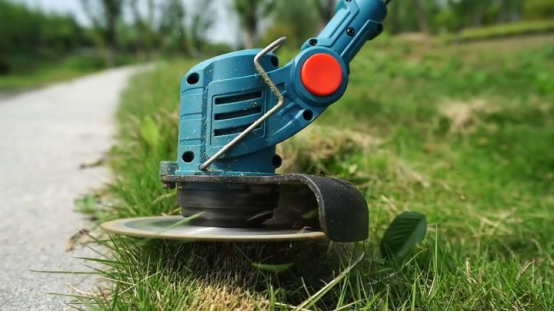
The best mowing time depends on whether it’s a weekday or weekend, the season, and your neighborhood’s habits. Below is a practical guide based on real-world experiences and common community guidelines.
Weekdays (Monday–Friday): Avoid Rest Hours and Rush Periods
Most people follow a workday routine, which creates a quiet window in the mid-afternoon.
Best time: 2:30 p.m. – 5:00 p.m.
This window works because most people are either at work or finished with lunch and resting. It avoids early morning noise and evening activity. I typically mow on Wednesdays at 3 p.m., when Mr. Miller is out for a walk and working parents aren’t home yet.
What to avoid:
Before 8:30 a.m.: Many people are still home.
After 6:00 p.m.: This is family time, and lawns or sidewalks may be in use.
Weekends (Saturday and Sunday): Allow for Morning Rest
Weekends are the peak period for noise complaints, so giving neighbors time to sleep in is key.
Best time: 9:00 a.m. – 11:30 a.m. and 3:00 p.m. – 5:00 p.m.
9 a.m. is late enough that most people are awake but early enough to finish before midday.
3 p.m. avoids lunch breaks and doesn’t cut into evening family time.
What to avoid:
7:00 a.m. – 8:30 a.m.: This is the “most hated” time slot in many communities.
12:00 p.m. – 2:30 p.m.: Many households rest or nap during this period.
Seasonal and Special Circumstances: Stay Flexible
Certain weather conditions or neighborhood events may require you to adjust your mowing schedule.
Summer (June–August): Avoid midday heat. Mow between 8:30 a.m.–11:00 a.m. or 5:00 p.m.–6:30 p.m. when it’s cooler.
Winter (December–February): Since grass grows slowly, mow once every 2–3 weeks around midday (12:00–2:00 p.m.) when temperatures are mild.
Special circumstances: If your neighbor has a newborn, a sick family member, or a student preparing for exams, it’s considerate to check in with them before mowing.
When I learned the family across the street had a student taking college entrance exams, I postponed mowing for three weeks. They later brought me homemade cookies to say thank you.
Simple Noise-Reduction Tips to Keep Neighbors Happy
Choosing the right time and a quiet mower is a solid foundation, but these practical tips can reduce disturbance even further.
Choose a Truly Quiet Lawn Mower
Not all electric mowers are created equal.
Check decibel levels: Look for models rated under 65 dB(A), which is quieter than many conversations.
Prioritize vibration reduction: Mowers with silicone pads or cushioned blade assemblies produce smoother, less penetrating sound.
Minimize Unnecessary Noise
Clear debris before mowing: Remove sticks, stones, and toys to avoid sudden clattering noises from blade impact.
Keep blades sharp: Dull blades increase motor strain, raising noise levels by 5–10 dB. Sharpen blades after every five uses.
Operate Smoothly
Mow at a steady pace: Avoid jerking or pushing too fast, which can spike motor noise.
Turn the mower off when idle: Even low-level noise becomes irritating if it drones on while you’re not actively mowing.
Real Neighbor Feedback: Small Gestures Matter
Mowing at the right time isn’t just about avoiding conflict. It’s about building goodwill.
Clean the edges near your neighbor’s lawn: After mowing, I often rake up clippings along Mr. Miller’s property line. He appreciates the gesture, and it builds mutual respect.
Say hello: A simple “Hey, I’ll be done in a few minutes” goes a long way. Friendly communication makes occasional noise easier to accept.
Share useful tips: I once recommended my 40V mower to a neighbor. It became a neighborhood favorite because of how quiet it is.
Conclusion: Good Timing Is Good Neighboring
At its core, quiet lawn care is about empathy and consideration. You don’t want to be woken up by your neighbor’s mower, and they don’t want to be woken up by yours.
I now mow every Wednesday at 3 p.m. using a 62 dB cordless mower. I clean up after myself and sometimes help Mr. Miller water his flowers. Last Christmas, he brought me a jar of his homemade honey and said, “It’s a pleasure having you as a neighbor.”
A quiet mower plus the right schedule doesn’t just keep your lawn neat. It helps build a stronger, friendlier community.